



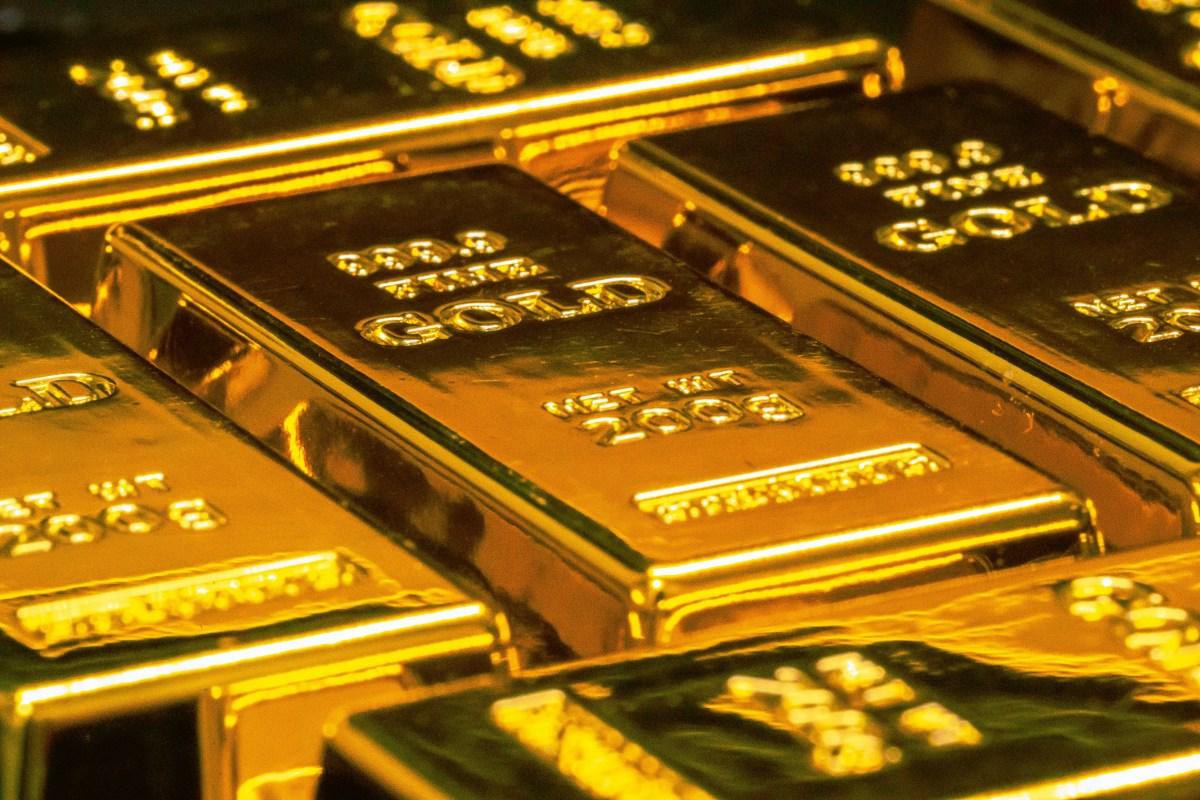

Gold is closing in on a milestone it has never hit before. The metal is on track for its eighth consecutive monthly gain in February 2026, which would mark the longest monthly winning streak in gold’s recorded history. At around $5,062 per ounce as of Feb. 20, according to USAGOLD, prices remain near all-time highs despite a wild month of swings.
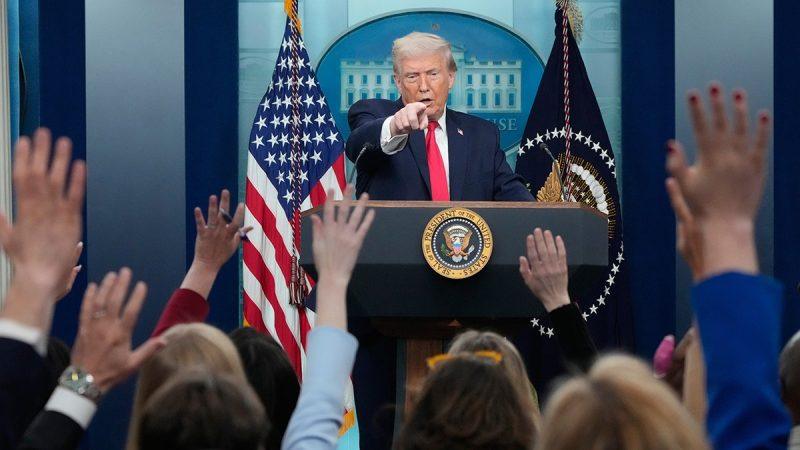
January told the full story of this market. Gold surged to an all-time intraday high of $5,589.38 on Jan. 28, according to the Investing News Network, before crashing nearly 9% on Jan. 30, its worst single-day drop since 1983, when Trump nominated Kevin Warsh as the next Federal Reserve chair. Within days, buyers flooded back in, and the metal reclaimed $5,000.
The question every investor is asking: Is this a blowoff top, or just the beginning of something much bigger?
Gold’s record-breaking monthly winning streak explained
The run began building momentum through the second half of 2025 and accelerated sharply into 2026.
On Jan. 28, gold futures surged $231 in a single session, the largest single-day gain ever recorded for the metal, settling at $5,447, according to The Gold Forecast. That same day, gold had already climbed for seven consecutive sessions, its longest daily winning streak since March 2025.
For the full month, gold started January at $4,318.11 and closed at $4,891.32, a confirmed 13.3% monthly gain, according to CMI Gold and Silver, even after the brutal Jan. 30 selloff.
That made January gold’s strongest monthly performance in years. Up 19.5% year-to-date through Jan. 28, it was also gold’s best start to a year since 1980, per Morningstar.
More Gold:
- Gold, silver surge after record drop flashes technical signal
- Silver and gold tumble triggers major reset for mining stocks
- J.P. Morgan revises gold price target for 2026
What makes this streak unusual is its durability. Gold rallies typically fizzle after a few months as traders lock in profits. This one has absorbed one of its sharpest corrections in decades and bounced straight back, pointing to real, broad-based demand.
How this monthly streak compares to gold’s biggest historical runs
- 2026 (current): Eight consecutive monthly gains heading into February, targeting the longest monthly winning streak in gold history
- 2025 full year: Gold surged 67%, its biggest annual gain since 1979, setting 53 new all-time highs during the year, according to the World Gold Council
- 1979-1980: A historic run fueled by the Iranian Revolution, pushing gold past $800 an ounce in the best annual gain in modern history
- 2020: A pandemic-driven surge that drove gold to what were then record highs before consolidating
Traders also point to technical momentum as a reinforcing factor. Support has held firmly above $4,700 through bouts of profit-taking, including the dramatic Jan. 30 selloff. The swift recovery from that drop signals that long-term buyers view dips as opportunities, not exit points.
What is really driving gold prices higher in 2026
The streak is not built on headlines alone. Several structural forces are working in gold’s favor simultaneously, and that combination is rare.
Central banks have been the most consistent buyers. The World Gold Council confirmed that central banks purchased 863 tonnes of gold in 2025, led by Poland’s central bank, which added 102 tonnes for the second straight year as the largest single buyer.
While that pace was below 2024’s record, it still came in well above the historical average of around 400 to 500 tonnes annually before 2022. China’s central bank extended its gold purchases for 14 consecutive months through 2025, per Bullion Trading.
On the ETF side, the World Gold Council reported that gold-backed ETFs added 801 tonnes in 2025, the second-strongest year on record behind only the pandemic-driven surge of 2020, as investors rotated out of volatile equities and into hard assets. Inflows have remained positive into early 2026.
On the supply side, global mine output faces long-term pressure that is already being felt. CRU Consulting has warned that the industry is entering a supply cliff, with fewer new large-scale deposits coming online to replace depleting mines.
Higher energy costs and labor shortages continue squeezing margins for major producers, with all-in sustaining costs running between $1,400 and $1,620 per ounce across the industry, according to Newmont and Barrick’s most recent earnings reports. That imbalance between tightening supply and surging investment demand keeps persistent upward pressure on spot prices.
Key factors fueling gold’s historic rally
- Dollar weakness: The dollar index fell sharply through 2025 and into early 2026, making gold cheaper for buyers in euros, yuan and rupees and amplifying the rally
- Low real yields: Inflation has stayed above the Fed’s 2% target, with the Fed holding rates steady at 3.5% to 3.75% as of Jan. 28, keeping the opportunity cost of holding gold low
- Record ETF inflows: Gold-backed ETFs added 801 tonnes in 2025, the second-strongest year ever on record, and buying has continued into 2026
- Geopolitical tension: Escalating U.S.-Iran tensions and ongoing trade frictions have been key safe-haven drivers, with Trump threatening a major strike on Iran on Jan. 28, the same day gold hit its all-time high
The streak has held up even as geopolitical noise quieted, suggesting the rally is not just a fear trade. It reflects deeper, more durable shifts in how institutions and governments think about storing value in an era of elevated debt and dollar uncertainty.
Where gold prices could go next, according to analysts
The bullish case is hard to ignore. Wall Street‘s biggest names have lined up with aggressive price targets for 2026, even after January’s sharp correction.
What top analysts are forecasting for gold in 2026
- Goldman Sachs: Targets $5,400 per ounce by year-end 2026, citing expectations that central bank buying will re-accelerate through the year
- J.P. Morgan: Raised its year-end call to $6,300, even after the January selloff, with analysts noting investor demand has come in stronger than prior expectations, per CMI Gold Silver
- Deutsche Bank: Targets $6,000 for 2026, describing January’s correction as a speculative blowoff rather than a full trend reversal
Analysts broadly agree that the structural bull case remains firmly intact.
The big risk remains a sustained hawkish shift at the Fed or a meaningful dollar rebound. The Jan. 30 crash showed how quickly sentiment can flip on a single piece of policy news. But with central banks still buying and supply tightening, most analysts expect any significant pullback to attract fresh buying quickly.
Investors tracking gold price trends in 2026 should watch three things closely: central bank purchase reports, monthly ETF flow data, and moves in the dollar index. The streak may eventually pause, but the structural bull case looks far from finished.