

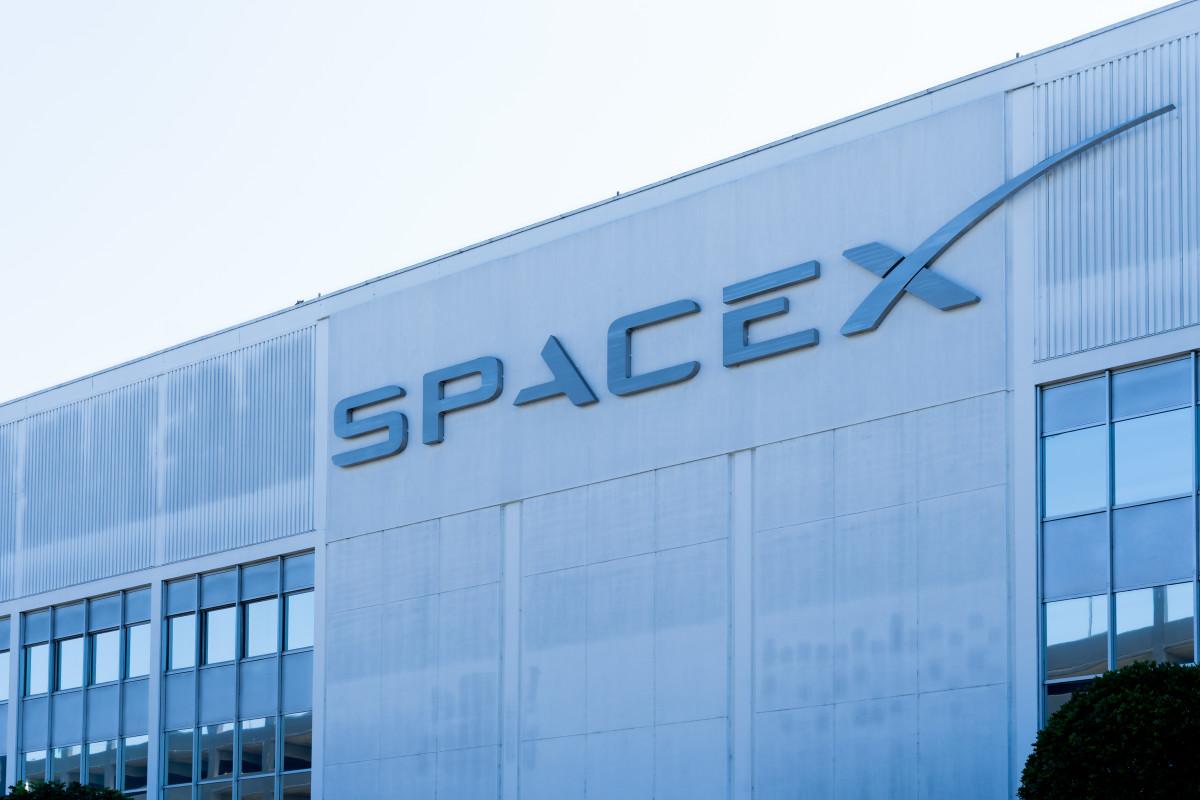

SpaceX is preparing to file confidential IPO paperwork with the Securities and Exchange Commission as early as this month, with sources tellingBloomberg the company is targeting a valuation exceeding $1.75 trillion and a potential listing in June 2026.
If it comes together at that price, SpaceX would eclipse Saudi Aramco’s 2019 record and instantly enter the ranks of the five most valuable companies on Earth, sitting alongside Apple, Microsoft, Alphabet, and Nvidia.
The groundwork has been laid for months. CFO Bret Johnsen outlined the path in a December shareholder memo, setting secondary share prices at $421 each. That was nearly double the $212 per share from a July sale at a $400 billion valuation, signaling how fast the company’s perceived worth has climbed in under a year.
Then in February, Musk folded his AI company into the mix. SpaceX acquired xAI in an all-stock deal valuing the combined entity at $1.25 trillion, with SpaceX pegged at $1 trillion and xAI at $250 billion. The stated goal is to build orbital data centers that can power artificial intelligence at a scale not possible on Earth.
The timing is deliberate. Musk wants the combined entity to go public as one package, giving IPO investors exposure to the full scope of his ambitions rather than just the rocket business that most people associate with the SpaceX name.
Starlink is the cash engine beneath the valuation
Strip away the rockets and the Mars ambitions, and what remains is a fast-growing internet company that now generates the majority of SpaceX’s revenue.
Starlink surpassed 9.2 million active subscribers by the end of 2025, effectively doubling its user base in just 15 months. The unit generated over $10 billion in revenue last year, and analysts at Quilty Space and Bloomberg project that figure could reach between $15.9 billion and $24 billion by end of 2026.
More Tech Stocks:
- Morgan Stanley sets jaw-dropping Micron price target after event
- Nvidia’s China chip problem isn’t what most investors think
- Quantum Computing makes $110 million move nobody saw coming
Reuters reported that SpaceX generated roughly $15 billion in total revenue last year with approximately $8 billion in profit. That margin profile has helped transform the company from a pure aerospace contractor into something Wall Street can price with more confidence.
Defense revenue is adding another layer. The Pentagon’s Starshield program, which uses Starlink infrastructure for classified government missions, has quietly become a significant revenue line. Multi-year contracts with U.S. allies are expanding that pipeline further, giving SpaceX a government revenue base that insulates it from purely commercial swings.
Why Starlink keeps growing
- The service now coversapproximately 150 countries, with aviation, maritime, and military contracts pushing growth well beyond residential households
- SpaceX purchasedEchoStar’s wireless spectrum for over $17 billion, enabling a direct-to-cell service that works on standard smartphones without any special hardware
- New offerings, including a Starlink-branded phone and direct-to-device internet service, are in development, broadening the addressable market significantly
The xAI deal changes what investors are actually buying
This IPO is no longer a pure bet on rockets. It is a bet on Musk’s entire technology empire packaged under one stock ticker.
When SpaceX goes public, investors will own exposure to rockets, satellite internet, an AI chatbot, and a social media platform all at once. Musk described the rationale as building the most ambitious, vertically-integrated innovation engine on and off Earth.
The numbers are striking.Analysts estimate the combined company carries roughly $16 billion in revenue and $3 billion in profit. At a $1.5 trillion IPO price, that implies a valuation of close to 94 times trailing sales, a multiple that demands near-perfect execution to hold up under public market scrutiny.
Risks that could derail the offering
The bull case is well-documented. The risks are real and specific.
What could go wrong before the June listing
- xAI is burning cash at a significant rate, and absorbing those infrastructure costs could redirect SpaceX’s hard-earned profit into Musk’s AI buildout
- Regulatory investigations targeting xAI inEurope, India, Malaysia, and by the California attorney general over its Grok image generator now sit inside SpaceX’s corporate structure
- AStarship test launch expected in late March is widely seen as critical technical validation for institutional investors ahead of any roadshow
- At $1.75 trillion, SpaceX would be valued aboveNvidia’s current cap while running a fraction of Nvidia’s annual revenue
Competition is also mounting quietly. Blue Origin’s New Glenn rocket is gaining traction, Amazon’s Project Kuiper is racing to build out a rival satellite internet constellation, and international players like China’s Long March program are accelerating their own commercial ambitions. None of them are close to threatening SpaceX today, but public market investors will price in long-term risk.
Johnsen was careful to caveat the entire plan in his December memo, noting that whether the IPO happens, when it happens, and at what valuation remain highly uncertain.
But the structural preparations are already underway. Nevada corporate filings signed by Johnsen in January hinted at moves weeks before the public knew anything.
The filings are now attracting scrutiny from analysts and investors.
Related: Elon Musk just made things very uncomfortable for Anthropic