



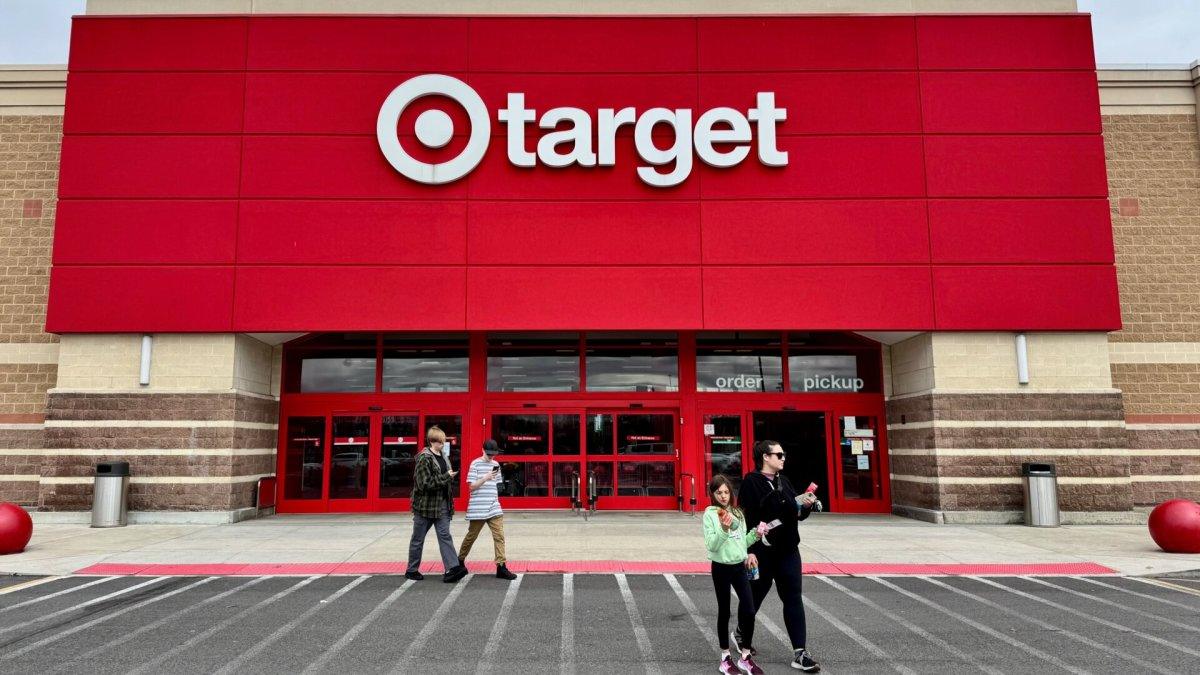

Walking into Target isn’t what it used to be.
Years back, my friends and I used to joke that it was impossible to make it through a Target shopping trip without spending a minimum of $100. Now, it’s gotten all too easy to avoid impulse buys — namely because a lot of Target stores have simply lost their charm.
It’s a shame, too.
Not long ago, fans of the big-box giant were affectionately calling the store “Tarzhay” due to its appealing range of modestly priced higher-end inventory.
Now, a lot of the products you’ll find at Target are more bottom-of-the-barrel castaways that aren’t worth the price tag. And worse yet, you probably won’t find them on shelves, but rather, scattered on the floor with dust and grime piling up.
And that’s not just my experience, as this Reddit thread confirms.
“My nearest Target is the epitome of a sloppy store — order pickup takes 20+ minutes, clothes are all over the floor, shelves are completely disorganized,” one user wrote.
“The sloppiness is in two big forms. Random stuff lying around and lane clutter,” said another.
Of course, this isn’t news to Target. And the company is taking steps to stage a comeback. Whether it’s successful depends on how Target opts to focus its efforts.
Target is leaning into larger stores
At a time when many big-box retailers are closing locations, Target is planning expansion. That’s actually pretty surprising, given the company’s ongoing slump.
During the company’s most recent quarter, Target reported a 3.8% drop in comparable sales and an 18.9% decline in operating income. And during 2025’s third quarter, foot traffic at Target fell 2.7%, according to data from Placer.ai.
Related: Target policy makes some shoppers uncomfortable
Still, Target clearly feels it can turn things around.
Earlier this year, Target revealed plans to open seven new stores in the spring, including five stores that are expected to be larger than the average 125,000-square-foot space the company’s locations typically occupy.
All told, Target is actually aiming to open more than 30 new locations in 2026 and 300 news stores by 2035.
“Our continued commitment to opening new stores is really about showing up for our guests and our communities — and it starts with our incredible store team members,” said Chief Stores Officer Adrienne Costanzo in the press release.
Target needs to step up its game
Opening larger stores gives Target a host of opportunities. More square footage allows the company to:
- Carry more inventory choices
- Enter into more partnerships for in-store shops, along the lines of its Ulta arrangement, which Target is phasing out this summer
- Improve fulfillment times
- Open in-store cafes to create more of a shopping destination
But to succeed, Target needs to address its core problems.
More Retail:
- Costco sees major shift in member behavior
- Retail chain shuts all locations as legal changes hit industry
- Costco makes major investment in online shopping for members
- Lululemon struggles to reverse concerning customer behavior
- T-Mobile launches free offer for customers after major loss
For one thing, Target needs to clean up its stores and boost worker morale. Empty shelves, cluttered aisles, and miserable-looking employees aren’t doing the company any favors.
For Target to win back customers, it needs to:
- Reorganize its stores
- Invest in better inventory management
- Increase employee benefits and wages
In late 2024, Jerry Storch, former Toys R Us CEO and CEO of consulting firm Storch Advisors, told CNBC that Target made several corporate mistakes that have eroded shoppers’ trust.
“Target’s deeper problem is their strategy is not resonating with the consumer in this environment,” said Storch. “Their comp sales have lagged Walmart’s every quarter for several years.”
More recently, Neil Saunders, managing director at GlobalData Retail, said of Target in a LinkedIn post, “The top-line results are poor and they reflect many of the stumbles in execution, particularly in stores.”
Of course, Target isn’t the only retailer that’s seen weak sales numbers recently. As consumers continue to be battered by inflation, many are reducing spending on discretionary items to make up for higher costs.
But the solution to Target’s woes isn’t simply a matter of opening larger stores. The company needs to address its core shortcomings if it wants its expansion efforts to actually pay off.
Maurie Backman owns shares of Target.