




A plant closure not only changes a company’s manufacturing map but also reshapes the local job picture in a single city, especially when the facility has operated as part of a larger food or beverage production network.
TheStreet has reported pressure across several industries, from food manufacturers and meat processors to distributors and logistics companies, as facilities have closed, production has shifted, or work has been moved elsewhere.
The reasons differ from company to company, but the worker impact is often similar, with hundreds of employees at risk at once.
Now, one of the biggest names in beverages is moving forward with a long-planned plant closure.
Coca-Cola closes Massachusetts bottling plant
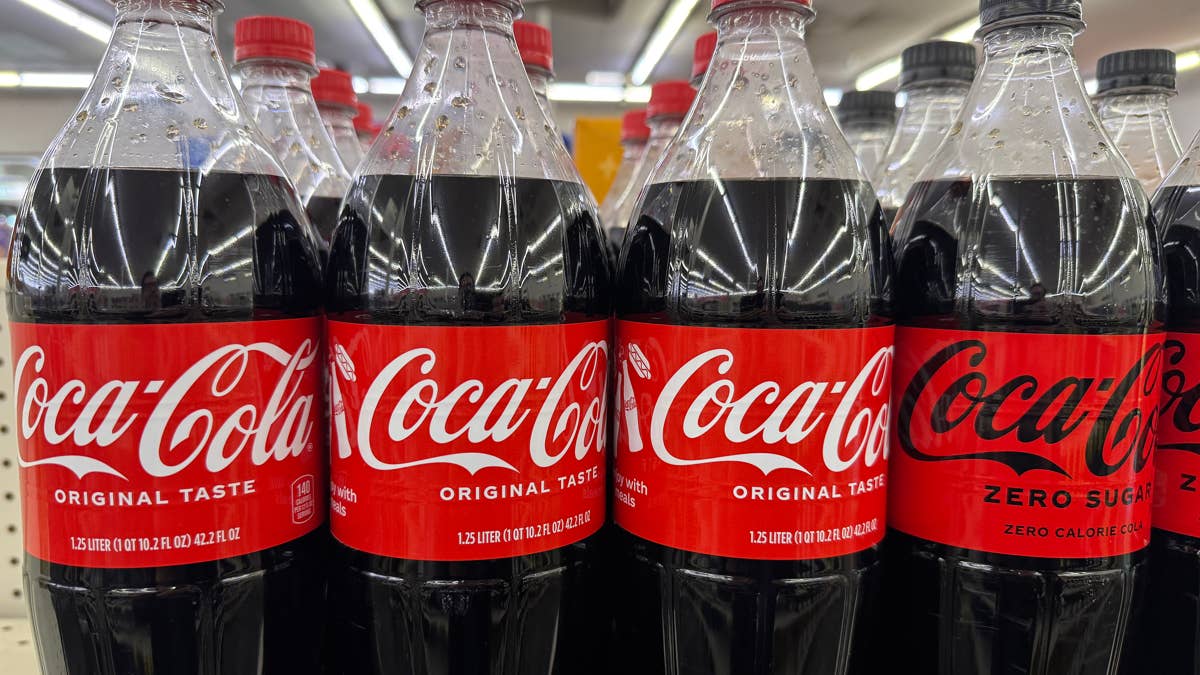
The Coca-Cola Company is closing its Northampton, Mass., bottling plant, a move expected to affect 175 workers.
A Massachusetts WARN listing shows the company filed notice on June 15 tied to the Northampton facility in the state’s western region.
The job cuts are expected on August 15 and November 30.
More Layoffs:
- JPMorgan Chase pushes fraud division layoffs, despite rising revenues
- Another major fintech firm cutting 10% of its workforce
- Real estate tech firm exits key hub, cuts 100s of jobs
The plant bottled Coca-Cola’s non-carbonated beverages, including Minute Maid and Powerade, according to Food Dive.
The company said employees have known about the plans for some time and that formal notices were being issued to provide advance notice.
Coca-Cola also said it is working with the state to help identify new job opportunities for affected workers.
Coca-Cola plant closure first announced in 2021
The Northampton shutdown is not a sudden decision. Coca-Cola first announced in 2021 that it planned to close the Northampton plant in 2023, but the decision was later pushed back.
The company then said that the closures were part of an “asset right” strategy to ensure Coca-Cola had the right resources as it transformed its beverage portfolio to meet changing consumer and customer needs.
The closure is also not happening in isolation.
Food Dive reported that Coca-Cola first announced in 2021 that it planned to close the Massachusetts plant along with a bottling facility in American Canyon, Calif., as part of a broader bottling-network reset.
More recent WARN entries show additional movement across the Coca-Cola system.
A California WARN entry for Reyes Coca-Cola Bottling lists a permanent closure in Ventura affecting 85 employees, with a layoff date of July 10, 2026.
In Michigan, a WARN notice for Great Lakes Coca-Cola Distribution lists a permanent closure at its Lansing site affecting 161 workers, with 62 employees separated and 99 reassigned as of April 3, 2026.
Together, those notices show that job impacts tied to Coca-Cola’s broader bottling and distribution network have continued even as the company’s consumer brands remain highly visible on store shelves, in restaurant fountains, and in vending machines.
Moreover, the Northampton facility also carries local importance beyond employment.
Food Dive reported that Coca-Cola was Northampton’s largest water user, and the planned closure had drawn concern from community members worried that the loss of that usage could affect utility costs.
That gives the shutdown a broader local impact. A closure can affect workers directly through job losses, but it can also affect communities that have built infrastructure, set tax expectations, or built utility systems around large industrial users.
Coca-Cola grows while reshaping operations
The company’s results show the shutdown is not occurring amid weak overall demand.
Coca-Cola reported that first-quarter net revenue rose 12% to $12.5 billion, while organic revenue increased 10% and global unit case volume grew 3%.
“Our performance this quarter reflects our unwavering focus on staying close to the consumer, executing locally and managing complexity,” said Henrique Braun, CEO, The Coca-Cola Company.
The company also said its 2026 outlook assumes the pending sale of Coca-Cola Beverages Africa will close in the second half of the year.
A reminder that Coca-Cola is still reshaping parts of its bottling and operating structure. That makes the Massachusetts closure part of a more complicated story.
Together, they make the Northampton cuts part of a more complicated corporate story.
Coca-Cola is not closing the plant because the brand has lost its place with consumers.
It remains one of the most recognizable beverage companies in the world, with products that fill grocery aisles, convenience stores, restaurants, stadiums, vending machines, and fast-food fountains.
Instead, the plant closure points to a different issue: large food and beverage companies are still reworking their manufacturing and bottling networks even when sales remain strong.
Those changes can help companies simplify operations, shift production, reduce costs, or focus on higher-growth products. But for the employees, it means more complexity and the struggle to find a new job.